Music Recording Techniques
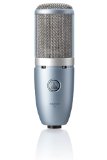
Music Recording Techniques for guitar, vocals, piano and drums.
When recording in your home recording studio or any studio, there are several things to consider before you record.
If you are recording acoustic guitar, which microphone should you use and, in what position? Should you record with one microphone or two, and how will each way affect the recording?
The same applies to vocals but you have the consider the explosive sounds too, as these sounds will affect the recording. What can you do about these sounds?
With a piano, where should you place the microphone and what type? Should you use two microphones and if you do, should they be the same type?
Drums come with the same considerations and more as you could mic every drum in the set.
Below are some things to consider when recording. And you can find more music recording techniques and advice to help you when you are recording on other pages, plus there will be recordings so you can listen to the affect of different microphones and different positions.
Microphone
The type of microphone you use as well as the position of the microphone will have an effect on the way the recording sounds.
Try experimenting with different microphones if available and try different positions until you get the sound you want.
Room Acoustics
The room you record in will have an affect of the recording. If the room has reflective surfaces the reflected sound will be recorded which is not always a bad thing if you want that sound in your recording.
You can try moving the instrument to a different position in the room and then compare the sound of the new position to the old position. You can also try soundproofing the room.
Getting a clean signal.
When setting the audio interface gain, or input signal, to little gain will introduce unwanted noise when you boost the recorded signal and to much gain will overload the system.
Start with the audio interface gain at a low setting then increase it to a level where it starts clipping the signal when the loudest sound is played then back it off until it stops clipping the signal.
After you have done this then the DAW inputs can be can be adjusted the same way.
Thanks For Visiting Music Recording Techniques
Return from Music Recording Techniques back to The Home Recording Studio
The Home Recording Studio
Home
Technique and Tutorials
Post
Recording
- Recording Techniques
- How To Record Songs At Home
- Recording Acoustic Guitars
- Recording Acoustic Piano
- Recording Drums
- Recording Vocals
Dynamics
Mixing
Extra
Tutorials
- Sonar Tutorial
- Sonar Audio Setup Tutorial
- Sonar Drums Tutorial Part 1
- Sonar Drums Tutorial Part 2
- Recording Acoustic Guitar Tutorial In Sonar


