The Microphone Preamp.
Which is best for the
Home Recoding Studio?
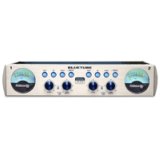
The Best microphone preamp is a Tube preamp. This is the best audio preamp for your home studio. But others give good result.
A studio mic preamp takes the low weak signal produced by a microphone and amplifies it to a level that can be recorded. If you try to record the sound from a mic without amplifying it first you will get a low volume recording with lots of noise in the recording, the snr(signal to noise) will be low.
On this page I will explain the different types of microphone preamps and give you information on the different sounds that you can achieve with each type.
Microphones can be matched with different preamps, to achieve different sounds, this page will explain.
The Three types of preamps:
- Tube Preamp (Vacuum)
- Solid-State Preamp (Transistor)
- Preamps with both Tubes and Transistors (Mix of Both)
Tube Preamp:
These use a vacuum tube to amplify the signal from the microphone. They tend to add color to the sound of the mic, due to the tube.
Different models of preamps produce, different coloration and in different amounts.
They produce a very warm sound, but it's hard to remove the warm sound, if, you don't want it in the recording.
This is why having several tube preamps is useful, but expensive.
These preamps add a low-frequency signal to the sound, and, soften the higher frequencies.
Tube Preamps:
- Add Color
- Low-Frequency Signal
- Warmth
- Soften Higher Frequencies
- Can be Expensive
Solid-State Preamp:
They use transistors to boost the signal form the mic. The solid-state preamp produce a clear, detailed, transparent sound. They can also add a distortion to the sound, giving the sound warmth.
They can have a very clear and clean sound. This brings out the natural sound quality of any microphone used with them.
So if you have a tube condenser microphone, then,a good quality solid-state preamp will reproduce the sound quality of that microphone.
Solid-State Preamps:
- Have a clear detailed sound
- Have Transparent sound
- Add Distortion (Warmth)
- Reproduce sound quality of mic
Mix of Both Preamp:
These are a mix of both transistors and tubes. They can add the tube warmth and transistor transparency. This could be a good choice for someone on a tight budget. You get the clear, open sound of the solid-state preamp and the warm, colored sound of a tube preamp in one unit.
Although you get better quality sound if you have, one type or the other as a single unit.
Mix of Both Preamps:
- The Best of both
- Clear, open sound
- Warm, colored sound
The Best microphone preamp is A Tube preamp. This is the best type of studio preamp.
But, with a preamp with a mix of both, you get the best of both types.
So, if you can't afford a tube preamp, get a preamp with a mix of both, which gives you:
- Clear
- Open
- Warm
- Colored sound
Thanks For Visiting Microphone Preamp
Back to Home Recording Equipment
Return from MIcrophone Preamp back to The Home Recording Studio
The Home Recording Studio
Home
Recording Equipment Post
- Recording Equipment
- The Computer
- Music Sequencers
- Software
- Audio Interface
- Studio Micrphone
- Microphone Preamp
- Recording Mixer
- Signal Processors
- Midi Keyboard
- Audio Amplifier
- Reference Monitor
- Sound Module
- Cables
- Studio Soundproofing
- Gear for Recording Music


